
- All
- Artificial Intelligence
- Boomi Services
- Business Intelligence
- Data Science
- Gen AI
- Leadership
- Pollinetic Agentic AI

AI Governance in 2026: Why Enterprises Need Guardrails, Not Just Policies
An employee asks an AI assistant to summarize a confidential customer document. The answer comes back in seconds. It looks accurate. The employee moves on. But what happened behind the scenes? Was the AI allowed to access that document? Where did the information go? Was the response based on approved data? Can anyone trace what
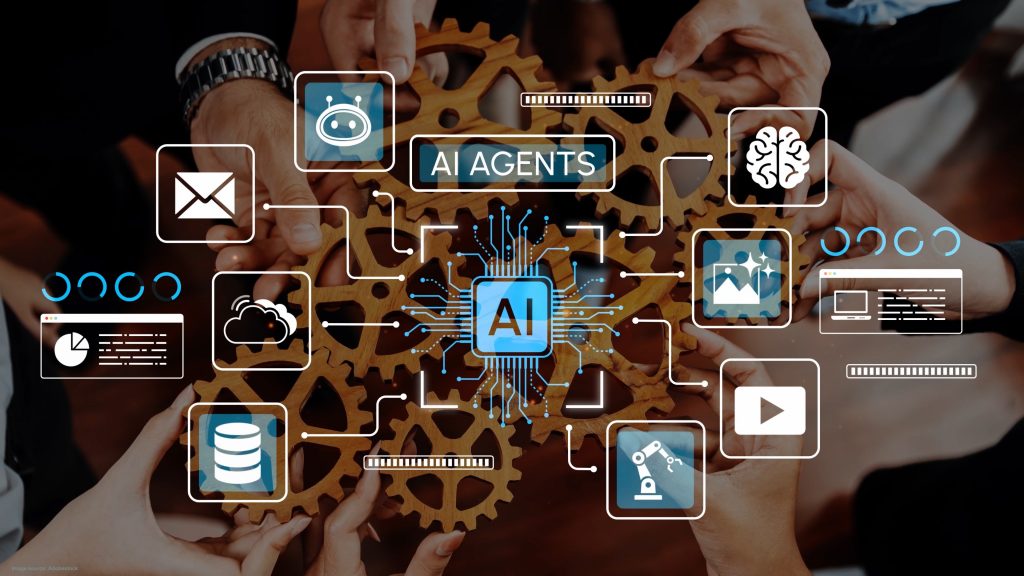
AI Agents Can’t Work in Silos: Why Enterprise Integration Is Becoming the Foundation of Agentic AI
Imagine a customer sends a message saying they want to cancel their subscription. An AI system understands the request. It checks the customer’s account, reviews their history, identifies an appropriate retention offer, updates the CRM, and sends the customer a response. No employee has to move information between five different systems.That sounds like the future

From AI Agents to Autonomous Business Processes: What Enterprises Need to Get Right
Imagine a customer sends a message saying they want to cancel their subscription. An AI system understands the request. It checks the customer’s account, reviews their history, identifies an appropriate retention offer, updates the CRM, and sends the customer a response. No employee has to move information between five different systems. That sounds like the
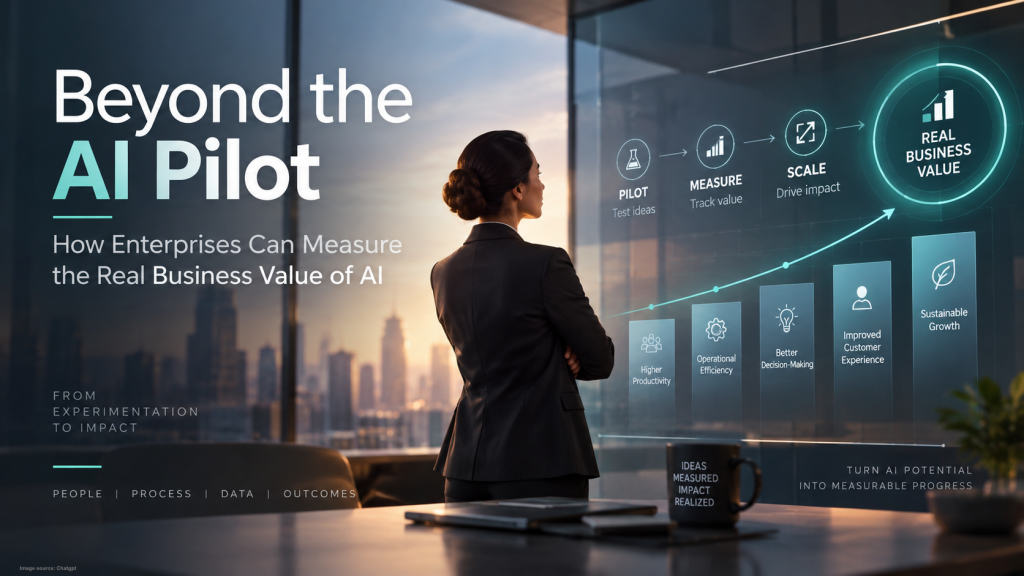
Beyond the AI Pilot: How Enterprises Can Measure the Real Business Value of AI
For the last few years, the enterprise AI conversation has been remarkably consistent. What can AI do for us? Can it write? Can it summarize? Can it automate? Can it predict? Can it create an AI assistant for employees or customers? Those are useful questions. But in 2026, they are no longer the most important
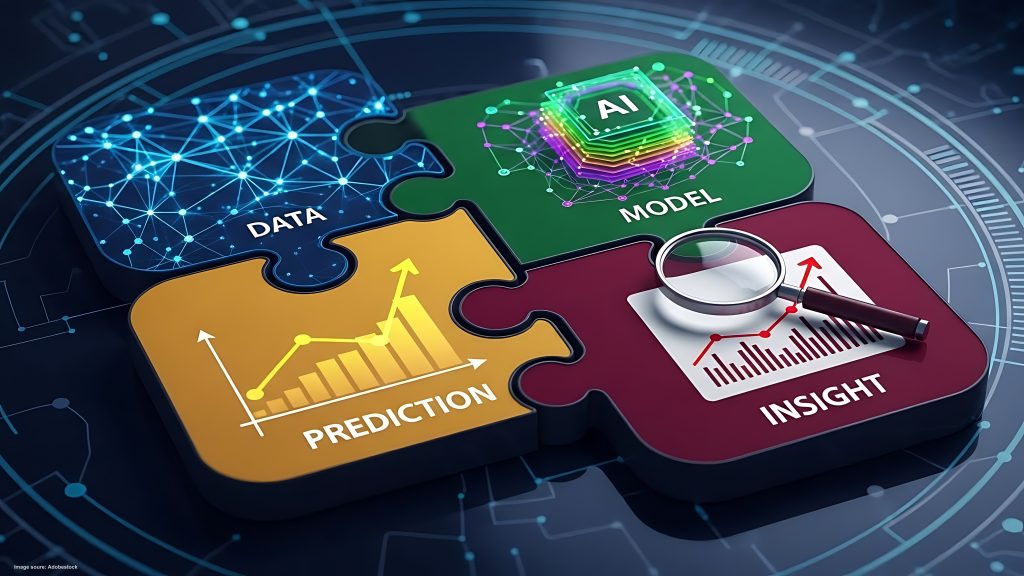
AI Observability: Why Monitoring AI Models Is Becoming a Business Priority
Artificial Intelligence has moved quickly from experimentation to everyday business use. Organizations are using AI to forecast demand, identify fraud, personalize customer experiences, automate processes, assist employees, and support critical business decisions. Getting an AI model into production, however, is only the beginning. A model can perform well when it is first deployed and gradually

From Integration to Intelligent Automation: How Aretove Unlocks the Full Value of Boomi
Enterprise integration has evolved significantly over the past decade. What was once considered a back-office IT function has become a strategic business capability. Organizations today aren’t just connecting applications; they’re connecting people, processes, data, and increasingly, Artificial Intelligence. As businesses adopt cloud platforms, AI, advanced analytics, and digital-first operations, the role of integration has expanded

Why Enterprises Need to Know Where Their Data Comes From
Data has become one of the most valuable assets an organization owns. Every customer interaction, financial transaction, operational process, and business decision generates information that helps drive the enterprise forward. But as organizations collect more data than ever before, a fundamental question often goes unanswered: Can you trace where your data actually came from? For

AI Observability: Why Monitoring AI Models Is Becoming a Business Priority
Artificial Intelligence is rapidly becoming part of everyday business operations. From forecasting demand and detecting fraud to automating customer support and generating insights, AI is helping organizations work smarter and faster than ever before. But here’s a question many enterprises are only beginning to ask: How do you know if your AI is still making

Retrieval-Augmented Generation (RAG): Building Enterprise AI That Knows Your Business
Artificial Intelligence has come a long way in a short period of time. Today, employees can ask AI to draft emails, summarize reports, write code, or explain complex concepts in seconds. Tools powered by Large Language Models (LLMs) have changed how businesses think about productivity and innovation. But as impressive as these models are, they